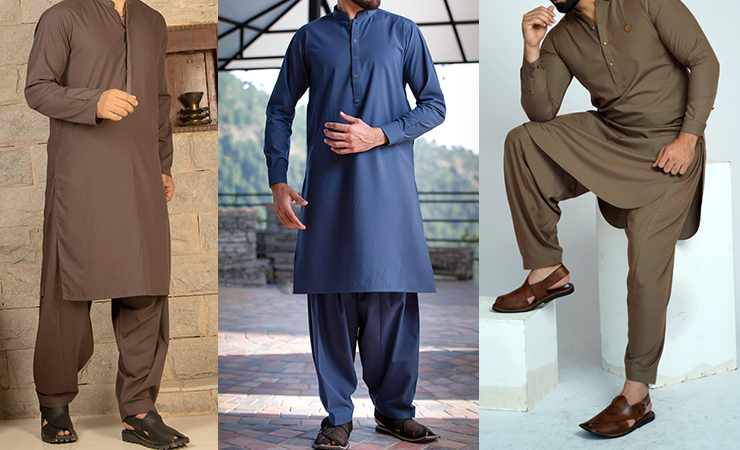
Men wear long loose-fitting trousers with a a long tunic in a set called shalwar kameez or in their language "Parahan Tunban". The shirt can be worn separately with jeans or other pants as well.
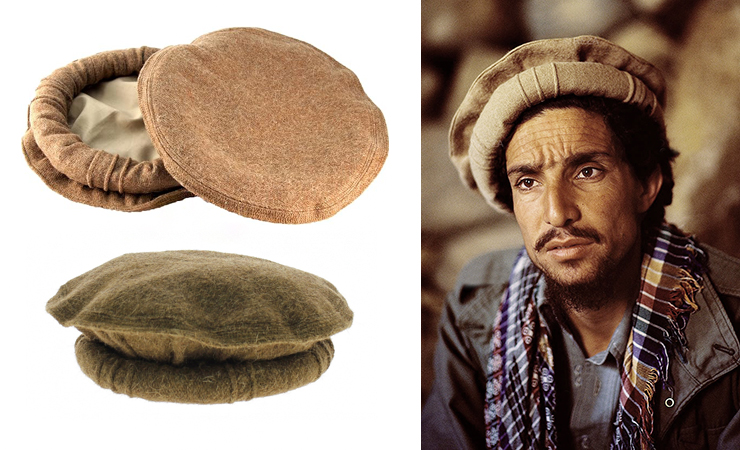
Along with that, they wear turbans or a traditional hat called a "pakol" on the top of their heads. Mostly people in the rural areas of Afghanistan wear turbans. Almost looking like a beret, pakol hats are a long tube of woven wool in which a "round lid" is placed that allows the hat to sit snugly on the head and is great for colder climates.
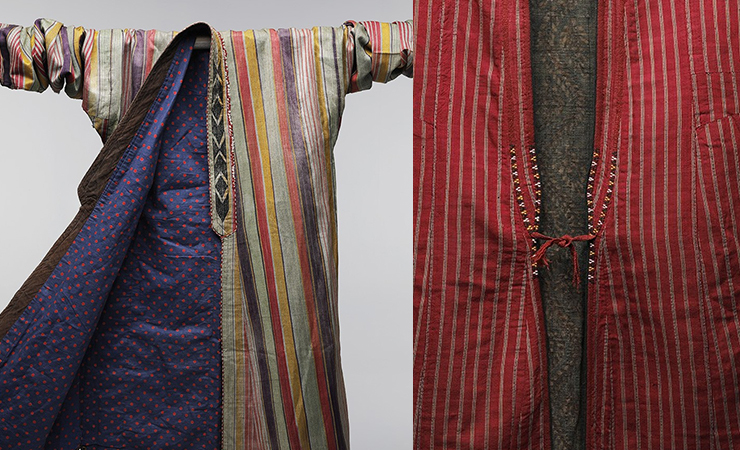
In the colder months, chapan, a long woven, colorful vest is also worn.
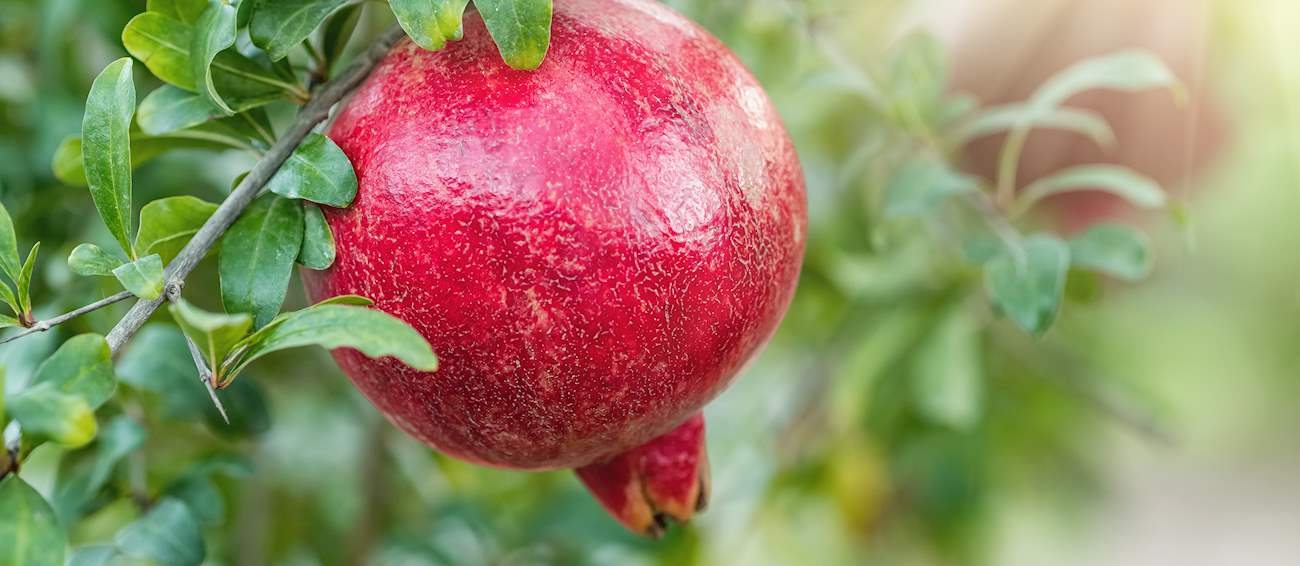
Although this has no English captions, this is a wonderful documentary from the newscast of Ariana television on how beautiful Afghanistan is with its pristine pomegranate orchards.
If you go to Afghanistan, they have all kinds of fruit sellers selling fruit and making fruit juices, the most popular of them being pomegranate. They use a vintage machine that requires a lot of strength to squeeze out the juice before handing it to you.
Watch and enjoy the beauty of the pomegranate orchards!
Afghanistan is a landlocked country located in South Asia and Central Asia. Here are some key points:
Capital: Kabul
Population: Approximately 38 million people
Languages: Pashto and Dari are the official languages
Religion: Islam is the predominant religion, with the majority being Sunni Muslims
Geography: Afghanistan is known for its mountainous terrain, with the Hindu Kush mountain range dominating the landscape
Economy: The economy of Afghanistan is largely based on agriculture, although the country also has significant mineral resources
Afghanistan, a country located in South Asia, has a rich and complex history that dates back thousands of years. Here is an overview of the history of Afghanistan:
- **Ancient Afghanistan**: Afghanistan has been inhabited since the Paleolithic era. It was part of ancient empires such as the Persian Empire and the Maurya Empire.
- **Islamic Conquest**: In the 7th century, Afghanistan was conquered by Arab Muslims, leading to the spread of Islam in the region.
- **The Ghaznavid and Ghurid Empires**: Afghanistan was part of the Ghaznavid Empire in the 10th century, followed by the Ghurid Empire in the 12th century. These empires played a significant role in the spread of Islam and the development of Afghan culture.
- **The Mongol Invasion**: In the 13th century, Afghanistan was invaded by the Mongols, leading to widespread destruction and loss of life.
- **The Mughal Empire**: In the 16th century, Afghanistan became part of the Mughal Empire, which brought a period of relative stability and prosperity to the region.
- **The Durrani Empire**: In the 18th century, Ahmad Shah Durrani established the Durrani Empire, which encompassed modern-day Afghanistan and parts of Pakistan and Iran. This empire marked the beginning of modern Afghanistan.
- **British Influence**: In the 19th century, Afghanistan became a buffer state between the British and Russian Empires, leading to several Anglo-Afghan wars.
- **20th Century**: Afghanistan gained independence from British influence in 1919. The country experienced political instability, coups, and conflicts throughout the 20th century.
- **Soviet Invasion**: In 1979, the Soviet Union invaded Afghanistan, leading to a decade-long war that resulted in widespread devastation and loss of life.
- **Taliban Rule**: In the 1990s, the Taliban, an extremist group, took control of Afghanistan and imposed strict Islamic law.
- **Post-9/11**: Following the September 11, 2001 attacks, the United States led a military intervention in Afghanistan to oust the Taliban regime and combat terrorism.
- **Recent History**: Afghanistan has faced ongoing conflict, political instability, and challenges in establishing a stable government and society.
This brief overview captures the major events and influences that have shaped the history of Afghanistan into what it is today.
In Afghanistan, the culture is a rich tapestry woven with traditions, history, and diverse influences. Here are some key aspects of Afghan culture:
### Language and Literature
The official languages of Afghanistan are Pashto and Dari (Persian). Poetry holds a special place in Afghan culture, with poets like Rumi and Khushal Khan Khattak being revered.
### Religion
The majority of Afghans are Muslims, with Islam playing a significant role in shaping daily life, traditions, and societal norms.
### Art and Craftsmanship
Afghanistan is known for its intricate craftsmanship, including pottery, carpet weaving, and calligraphy. The country's art often reflects a blend of Persian, Indian, and Central Asian influences.
### Music and Dance
Music is a vital part of Afghan culture, with traditional instruments like the rubab and tabla being commonly used. Attan, a traditional Afghan dance, is performed at weddings and celebrations.
### Cuisine
Afghan cuisine is flavorful and diverse, with dishes like kebabs, pilaf, and mantu (dumplings) being popular. Tea holds a special place in Afghan hospitality.
### Clothing
Traditional Afghan clothing varies by region, with men often wearing loose-fitting garments like the perahan tunban, and women donning colorful dresses like the shalwar kameez.
### Celebrations and Festivals
Afghans celebrate various festivals and events throughout the year, such as Nowruz (Persian New Year) and Eid al-Fitr. These occasions are marked by feasting, music, and family gatherings.
### Hospitality
Hospitality is highly valued in Afghan culture, with guests being treated with utmost respect and generosity. Sharing meals and tea is a common way of showing hospitality.
### Family and Community
Family plays a central role in Afghan society, with strong bonds and support networks within extended families. Community ties are also important, with communal gatherings and events being common.
Despite the challenges faced by Afghanistan, its culture remains resilient and continues to be a source of pride and identity for its people.